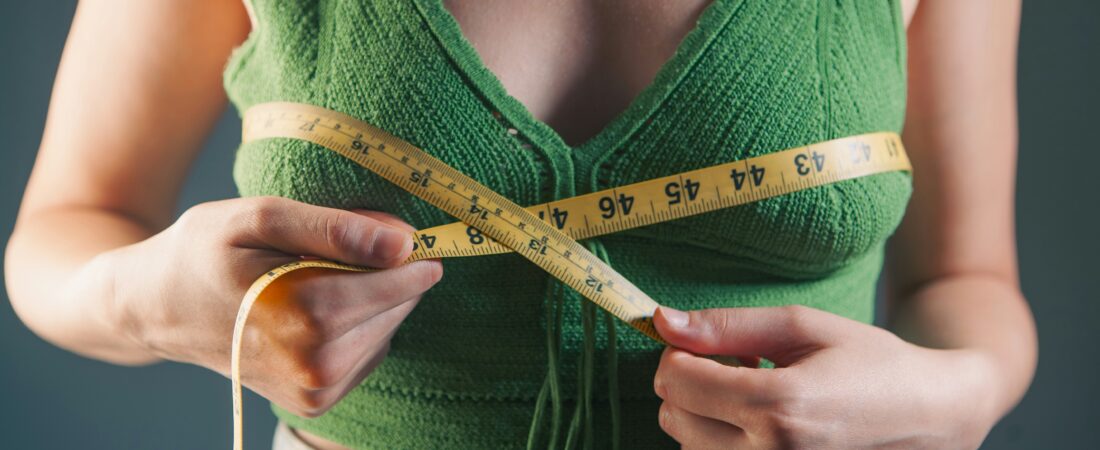
Weight Loss After 30: Why It’s Different and How to Win
Your body in your 30s and 40s is genuinely different from your body in your 20s. Here’s what changed — and the strategies that actually work now.
If you’ve noticed that losing weight feels harder than it used to, you’re not imagining it. Your body in your 30s and 40s is biologically different from your body at 22 — and the strategies that worked then may simply not work the same way now.
The good news: once you understand what’s changed, you can adapt your approach and absolutely still reach your goals. Here’s what you need to know.
What Actually Changes After 30
Muscle mass declines — Without strength training, women lose 3–5% of muscle per decade after 30. Muscle is metabolically active, so less muscle means a slower resting metabolism.
Hormones shift — Estrogen and progesterone fluctuations affect fat distribution, cravings, sleep quality, and energy levels. Fat storage increasingly shifts toward the abdomen.
Stress accumulates — Career, family, and financial pressures tend to peak in the 30s and 40s. Chronic elevated cortisol directly promotes fat storage and increases appetite.
Sleep deteriorates — Hormonal changes and life demands make quality sleep harder to come by — and poor sleep is one of the most powerful drivers of weight gain.
Recovery takes longer — Intense exercise takes more toll on the body and requires longer recovery time, meaning more-is-more exercise strategies become counterproductive.
What Works Best After 30
✅ Prioritize strength training over cardio — Building and maintaining muscle is the single most important investment for your metabolism after 30. Even 2–3 sessions per week makes a significant difference.
✅ Eat more protein, not less — Higher protein intake preserves muscle during weight loss and controls hunger more effectively as metabolism slows.
✅ Be strategic about stress and sleep — These are not lifestyle luxuries. They are physiological requirements for weight loss to work after 30.
✅ Choose sustainable over fast — Slower, steadier weight loss preserves more muscle, is hormonally less disruptive, and produces better long-term outcomes.
✅ Get structured support — A program that provides flexibility, community, and accountability addresses the real challenges of this life stage.
WeightWatchers is specifically designed for real life — the flexibility, community support, and sustainable approach make it particularly well-suited for women navigating the challenges of weight loss after 30. Explore WeightWatchers →
This post contains affiliate links. I may earn a small commission if you sign up through my links, at no extra cost to you.
The Truth About Emotional Eating (And How to Finally Stop)
You’re not weak. You’re not broken. Emotional eating is a deeply human response to stress, boredom, and difficult feelings — and there are real strategies to change it.
You had a hard day. You weren’t hungry. But somehow you found yourself standing at the fridge, eating things you didn’t really want, feeling worse afterward than before.
Sound familiar? You’re not alone — and you’re not weak. Emotional eating is one of the most common barriers to weight loss, and it has nothing to do with willpower.
Why We Emotionally Eat
Food is comfort. From infancy, we associate eating with safety, love, and soothing. When we feel stressed, anxious, lonely, bored, or overwhelmed, our brain reaches for the same mechanism it learned in childhood — food.
High-sugar, high-fat foods trigger dopamine release in the brain’s reward system — the same pathway activated by other pleasurable experiences. This is why emotional eating provides temporary relief, which reinforces the behavior over time.
Key insight: Emotional eating is a coping mechanism — not a character flaw. Addressing it requires replacing it with better coping strategies, not willpower.
How to Break the Emotional Eating Cycle
1. Pause and identify the trigger — Before eating, ask: “Am I physically hungry or emotionally hungry?” Physical hunger builds gradually. Emotional hunger is sudden and specific (you want something particular).
2. Name the emotion — Stress? Boredom? Loneliness? Anxiety? Naming the emotion creates space between the feeling and the automatic response.
3. Build alternative coping strategies — A walk, a phone call with a friend, journaling, a bath, breathwork. Find what soothes you without food and practice reaching for it first.
4. Don’t restrict too aggressively — Extreme dietary restriction increases emotional eating. A flexible approach that allows you to enjoy food reduces the psychological pressure that drives emotional overeating.
5. Remove shame from the equation — Shame after emotional eating triggers more emotional eating. Practice self-compassion: acknowledge what happened, understand why, and move forward without judgment.
Programs that address behavior, not just food, produce better results. WeightWatchers includes behavioral support and community — helping you build the habits and mindset that make lasting change possible. Explore WeightWatchers →
This post contains affiliate links. I may earn a small commission if you sign up through my links, at no extra cost to you.
How Hormones Affect Your Weight — And What to Do About It
Hormones control where your body stores fat, how hungry you feel, and how your metabolism runs. Understanding them is key to finally making weight loss click.
If you’ve ever felt like your body is working against you — gaining weight despite eating well, losing motivation out of nowhere, craving sugar at certain times of the month — hormones are likely at the center of it.
Understanding how your key hormones affect your weight doesn’t just explain your frustration. It gives you a roadmap to work with your body instead of against it.
The Key Hormones That Affect Your Weight
Insulin — Your fat storage hormone. When blood sugar spikes (from refined carbs and sugar), insulin rises and signals your body to store fat. Chronically elevated insulin makes fat loss very difficult. Strategy: reduce refined carbs, increase fiber and protein, and avoid blood sugar spikes.
Cortisol — Your stress hormone. Chronically elevated cortisol promotes fat storage specifically around the abdomen, increases hunger, and drives cravings for sugar and fat. Strategy: prioritize sleep, manage stress actively, and avoid over-exercising.
Leptin — Your fullness hormone. Produced by fat cells, leptin tells your brain you’ve had enough to eat. In overweight individuals, leptin resistance can develop — the signal gets there but the brain stops hearing it. Strategy: reduce inflammation through diet and sleep.
Ghrelin — Your hunger hormone. Spikes before meals, drops after eating. Elevated by poor sleep and aggressive calorie restriction. Strategy: prioritize sleep, eat adequate protein, avoid extreme restriction.
Estrogen — Affects fat distribution throughout a woman’s life. Declining estrogen in perimenopause shifts fat storage toward the abdomen. Strategy: strength training, phytoestrogen-rich foods, and managing the overall hormonal picture with your doctor if needed.
Thyroid hormones — Regulate your overall metabolic rate. An underactive thyroid (hypothyroidism) makes weight loss very difficult. If you’re struggling despite doing everything right, thyroid function is worth checking with your doctor.
The hormonal approach to weight loss: sleep, stress management, adequate protein, reduced sugar and processed food, and strength training. A structured program that supports all these habits — like WeightWatchers — addresses the hormonal environment holistically. Learn more →
This post contains affiliate links. I may earn a small commission if you sign up through my links, at no extra cost to you.
Meal Planning for Weight Loss: A Busy Woman’s Weekly Guide
You don’t need to spend your Sunday prepping 20 containers of chicken and rice. Here’s a realistic, flexible approach to meal planning that actually fits into a busy life.
Meal planning is one of the most powerful weight loss tools available — but most guides make it sound like a part-time job. The reality is, effective meal planning doesn’t require hours in the kitchen every Sunday. It requires a simple, flexible system.
Why Meal Planning Works for Weight Loss
When you don’t have a plan, you make food decisions when you’re hungry, tired, and time-pressured — the worst possible conditions for healthy choices. Research shows that people who meal plan eat more nutritiously, consume fewer calories, and have more dietary variety than those who don’t.
The goal isn’t perfection. A plan that’s 80% followed beats a perfect plan that falls apart by Wednesday.
A Simple Weekly Meal Planning System
Step 1: Choose 3 proteins for the week — Pick 3 versatile protein sources (chicken breast, salmon, eggs, legumes) and make sure you have them in the fridge. Protein is the foundation of every meal.
Step 2: Choose 3–4 vegetables — Pick whatever is in season, on sale, or easiest to prepare. Pre-washed salad bags and frozen vegetables are completely valid choices.
Step 3: Plan dinners only — Breakfast and lunch can be simpler and more repetitive. Focus your planning energy on dinners, which tend to be the most complex meals.
Step 4: Prep just the components, not whole meals — Cook a batch of grains, roast a tray of vegetables, and prep your proteins. Mix and match through the week rather than making identical containers.
Step 5: Have 2 backup options — Identify 2 quick, healthy meals you can make in 15 minutes on nights when your plan falls apart. Everyone needs a backup.
Need recipe ideas and meal planning support? WeightWatchers has thousands of recipes with Points values already calculated — making planning fast, easy, and delicious. Explore WeightWatchers recipes →
This post contains affiliate links. I may earn a small commission if you sign up through my links, at no extra cost to you.
Why Sleep Is the Secret Weight Loss Tool You’re Ignoring
You can eat perfectly and exercise consistently — but if you’re not sleeping enough, your weight loss will stall. Here’s the science, and what to do about it.
Sleep and weight loss might seem unrelated. But the science tells a very different story. Poor sleep is one of the most powerful drivers of weight gain and one of the most underappreciated barriers to weight loss — especially for busy women juggling demanding lives.
How Sleep Affects Your Weight
🔺 Ghrelin (hunger hormone) increases by up to 28%
🔻 Leptin (fullness hormone) decreases by up to 18%
🔺 Cortisol rises, promoting belly fat storage
🔻 Insulin sensitivity drops, making fat loss harder
🔺 Cravings for sugar and high-calorie foods intensify
🔻 Motivation and energy for exercise decreases
A large meta-analysis found that short sleepers (under 7 hours) were 55% more likely to be obese than adequate sleepers. This isn’t coincidence — it’s a direct hormonal consequence.
5 Sleep Habits That Support Weight Loss
✅ Set a consistent wake time — the single most important sleep habit. Do it every day, weekends included.
✅ Keep your room cool and dark — around 18°C promotes deeper sleep stages.
✅ Cut screens 60–90 minutes before bed — blue light suppresses melatonin and delays sleep onset.
✅ Limit alcohol — alcohol disrupts sleep architecture in the second half of the night, reducing recovery quality.
✅ Manage evening stress — journaling, gentle stretching, or breathwork before bed reduces cortisol and improves sleep depth.
Weight loss is a whole-lifestyle effort — sleep, stress, food, and movement all working together. WeightWatchers takes a holistic approach that supports all of these elements. See how WeightWatchers works →
This post contains affiliate links. I may earn a small commission if you sign up through my links, at no extra cost to you.