How to Lose Weight Without Counting Calories
Calorie counting works in theory — but in real life, it’s stressful, time-consuming, and often backfires. Here are proven strategies that help you lose weight without tracking every bite.
Calorie counting is exhausting. Weighing your food, logging every meal, calculating portions — it takes mental energy that most busy women simply don’t have. And research shows it can lead to an unhealthy obsession with numbers that actually worsens your relationship with food.
Here’s the good news: you don’t have to count calories to lose weight. What you need is a smarter approach.
Why Calorie Counting Often Backfires
Calorie counts are notoriously inaccurate — food labels can be off by up to 20%, and restaurant meals often contain significantly more than stated. Plus, calorie counting ignores food quality: 200 calories of salmon affects your body very differently than 200 calories of cookies.
The bigger problem: Strict calorie counting is linked to increased anxiety around food, all-or-nothing thinking (“I went over my calories so today is ruined”), and disordered eating patterns — none of which support long-term success.
7 Strategies That Work Better Than Calorie Counting
1. Prioritize protein at every meal
Protein is the most filling macronutrient. It reduces hunger hormones, increases fullness hormones, and preserves the muscle mass you need for a healthy metabolism. Aim to include a quality protein source — eggs, chicken, fish, Greek yogurt, legumes — at every meal.
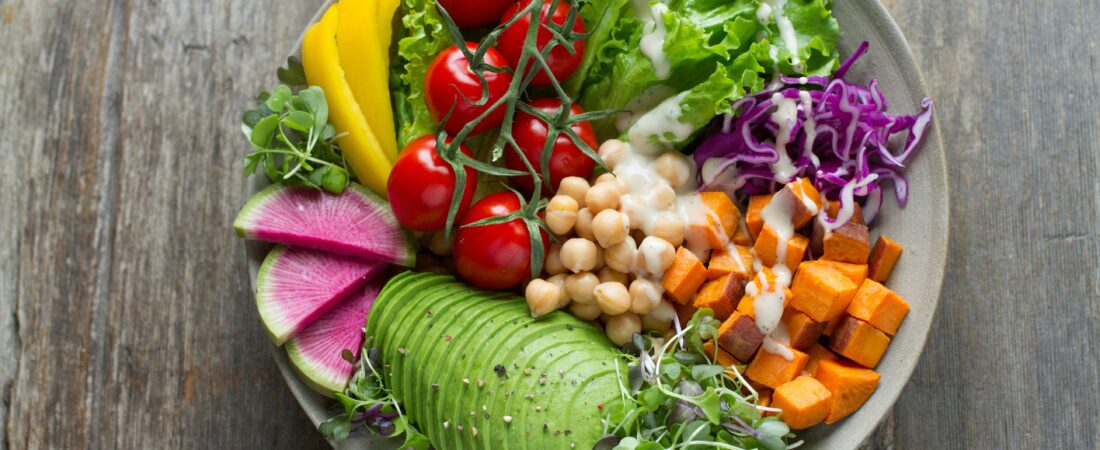
2. Fill half your plate with vegetables first
Vegetables are high in fiber and water, which means they take up physical space in your stomach and trigger fullness signals — with very few calories. Making vegetables the foundation of every meal naturally reduces overall intake without counting a thing.
3. Eat slowly and without distractions
Your brain takes about 20 minutes to register fullness signals from your stomach. Eating quickly means you consistently overeat before those signals arrive. Putting your phone down and eating slowly can reduce intake by 10–15% without any deliberate restriction.
4. Use smaller plates and bowls
Research consistently shows that plate size influences how much we eat — we tend to fill whatever container is in front of us. Switching to a smaller plate is one of the simplest environmental changes you can make.
5. Minimize ultra-processed foods
Ultra-processed foods — chips, cookies, fast food, sugary drinks — are engineered to override your fullness signals and keep you eating past the point of satisfaction. Simply reducing these, without counting calories, typically produces spontaneous calorie reduction.
6. Drink water before meals
Drinking a large glass of water 20–30 minutes before eating reduces hunger and portion sizes. Studies show this simple habit can reduce meal intake by around 13%.
7. Use a Points-based approach instead of calorie counting
Programs like WeightWatchers use a Points system that considers food quality, not just calories. It’s simpler to track, more forgiving, and naturally guides you toward better food choices without the mental burden of exact calorie math.
Want a structured approach without calorie counting? WeightWatchers’ Points system is one of the most effective alternatives — flexible, sustainable, and backed by decades of research. Learn more at WeightWatchers.com →
The Bottom Line
Calorie counting is one tool — but it’s not the only tool, and for many women it’s not the best one. Focus on food quality, protein, vegetables, and mindful eating habits, and your body will naturally find its way to a healthier weight — without obsessing over numbers.
This post contains affiliate links. I may earn a small commission if you sign up through my links, at no extra cost to you.